

“CTE is a real neuropathological disease associated with long-term exposure to repetitive head impacts. Those impacts include diagnosed concussions as well as repeated blows to the head that may not produce recognizable concussion symptoms. What remains uncertain is why some repeatedly exposed individuals develop CTE while others apparently do not” (Patricios et al., 2023).
A concussion is a form of mild traumatic brain injury (mTBI) produced by a blow or force to the head, neck, or body that temporarily disrupts normal brain function. Loss of consciousness is not required, and many concussions occur without obvious external injury. Symptoms may involve several domains, including headache, dizziness, balance disturbance, visual sensitivity, slowed information processing, difficulty concentrating, fatigue, irritability, sleep disruption, and changes in mood such a depression.
Symptoms can occur immediately or emerge over the hours or days following the injury, making continued observation important even when the individual initially appears relatively well.
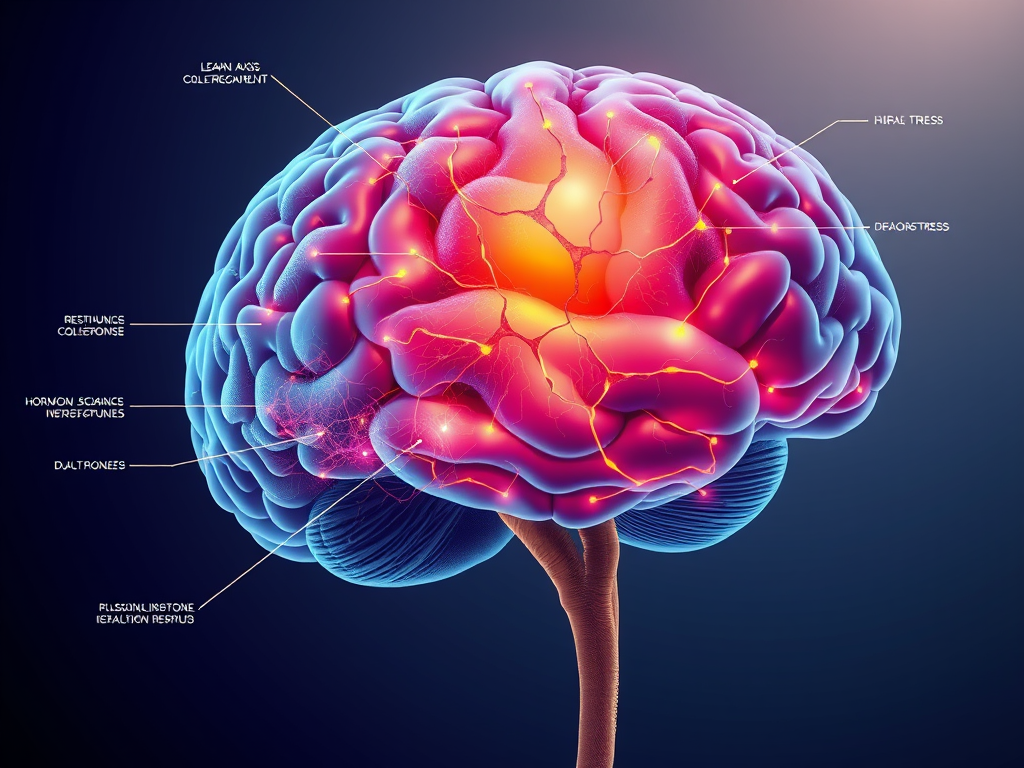
Our understanding of concussion management has changed substantially. The older recommendation of placing an injured person in a dark room and avoiding nearly all mental and physical activity until symptoms completely disappear—sometimes referred to as “cocooning”—is no longer considered optimal treatment. Current evidence favors relative rest during approximately the first 24 to 48 hours, including adequate sleep, reduction of activities that substantially worsen symptoms, and some limitation of screen exposure.
At the same time, ordinary activities of daily living and even brief periods of walking may be reasonable when they produce no more than a mild and temporary increase in symptoms. Prolonged strict physical and cognitive inactivity may actually delay recovery. Attendance at school will depend upon symptom profile. However, it is now recommended that students return to school with rest breaks and reduced expectations for homework and test taking.
After this brief period of relative rest (2-4 days), recovery should become increasingly active rather than passive. Light aerobic exercise—such as walking or stationary cycling—can be introduced and gradually increased according to symptom tolerance usually 40-60 % of maximum effort. The objective is not necessarily to wait until every symptom has disappeared before activity begins, but rather to keep exertion below the level that produces substantial or prolonged symptom worsening.
If symptoms flair with light activity then the athlete should return to rest and begin again. Controlled aerobic activity is now regarded as part of concussion treatment rather than simply something permitted after recovery has occurred. As tolerance improves, cognitive demands, work activities, exercise, and other daily responsibilities can also be progressively increased.
Concussion treatment should also be symptom specific. Persistent dizziness, balance difficulties, visual disturbance, headache, or neck pain may indicate the need for vestibular or cervical rehabilitation; concentration and mental-fatigue problems may require cognitive pacing and temporary modification of work or academic demands. Sleep disturbance, anxiety, irritability, and emotional changes should likewise be recognized as legitimate components of the post-concussion presentation rather than viewed as unrelated complaints. Multidisciplinary concussion programs therefore increasingly combine medical assessment with vestibular and physical therapy, exercise rehabilitation, cognitive management, and psychological or neuropsychological consultation when indicated.
The return to normal activity should be graded according to functional recovery and risk of reinjury. The person progresses from ordinary daily activities to increasingly demanding physical and cognitive tasks, with symptoms and clinical findings guiding advancement. Higher-risk activities—particularly those involving the possibility of another blow to the head, collision, falling, driving under demanding conditions, or other safety-sensitive responsibilities—require greater caution and appropriate medical clearance. This principle has particular relevance to law enforcement and other public-safety occupations. An athlete returning after concussion may need to demonstrate not simply that headaches or dizziness have subsided, but that attention, reaction time, balance, visual processing, decision-making, physical exertional tolerance, and the ability to function under rapidly changing conditions have returned sufficiently for safe occupational performance.
Sex differences also deserve greater attention than they historically received. In an earlier post on concussion in females, it was noted that a greater post-concussive headache burden in female athletes sometimes followed a longer recovery course. Subsequent systematic reviews have similarly found that female athletes may experience greater symptom burden and, in some studies, more prolonged symptoms following concussion than male athletes, although the magnitude of the difference varies and sex-specific recovery trajectories are still being studied. This means that clinicians, trainers, parents, and coaches should avoid applying an arbitrary timetable to recovery. Girls and women who remain symptomatic require continued clinical management, not pressure to return because an expected number of days has passed.
Finally, concussion management should be individualized and symptom directed. Persistent dizziness or balance difficulty may call for vestibular rehabilitation; neck pain and headache may require cervical treatment; cognitive fatigue may require pacing and temporary school or work accommodations; and sleep, anxiety, mood, or headache disorders should be specifically addressed. The modern objective is therefore neither excessive rest nor rapid return. It is a carefully monitored progression from relative rest, to controlled activity, to exertion, and ultimately to unrestricted participation. For athletes, the central safety principle remains straightforward: when concussion symptoms persist, they may rehabilitate under appropriate supervision, but they should not return to contact practice or competitive play until they have recovered and been appropriately cleared.
The video below reveals the impact of even minor blows to the skull and what is known as coup-contre coup injury. These forces cause the head to rapidly move away fromt he force of injury bringing the brain along for the ride. As you can see from the CDC You Tube video, even minor blows to the head can result in stretch and shearing injuries that may not be appreciated at first.
Concussion Management Principles from Michael Sefton
- Initial Rest: Limit physical and cognitive activity for only the first 24 to 48 hours. Avoid prolonged strict rest or “cocooning,” which can delay recovery. [1, 2, 3]
- Graduated Exercise: Introduce light aerobic activity (such as walking or a stationary bike) as soon as symptoms stabilize after 48 hours. [1, 2]
- Targeted Therapies: Address specific symptom domains including vestibular (dizziness/balance), cervical (neck pain), and cognitive pacing under professional supervision. [1, 2]
- Graded Return: Follow a step-by-step return-to-play or return-to-learn protocol, ensuring full recovery before engaging in high-risk or contact activities. [1, 2]
REFERENCES
Leddy, J. J., Burma, J. S., Toomey, C. M., Hayden, A., Davis, G. A., Babl, F. E., Gagnon, I., Giza, C. C., Kurowski, B. G., Silverberg, N. D., Willer, B., Ronksley, P. E., & Schneider, K. J. (2023). Rest and exercise early after sport-related concussion: A systematic review and meta-analysis. British Journal of Sports Medicine, 57(12), 762–770. https://doi.org/10.1136/bjsports-2022-106676
McGroarty, N. K., Brown, S. M., & Mulcahey, M. K. (2020). Sport-related concussion in female athletes: A systematic review. Orthopaedic Journal of Sports Medicine, 8(7), 2325967120932306. https://doi.org/10.1177/2325967120932306
Patricios, J. S., Schneider, K. J., Dvorak, J., Ahmed, O. H., Blauwet, C., Cantu, R. C., Davis, G. A., Echemendia, R. J., Makdissi, M., McNamee, M., Broglio, S., Emery, C. A., Feddermann-Demont, N., Fuller, G. W., Giza, C. C., Guskiewicz, K. M., Hainline, B., Iverson, G. L., Kutcher, J. S., . . . Meeuwisse, W. (2023). Consensus statement on concussion in sport: The 6th International Conference on Concussion in Sport—Amsterdam, October 2022. British Journal of Sports Medicine, 57(11), 695–711. https://doi.org/10.1136/bjsports-2023-106898
Putukian, M., Purcell, L., Schneider, K. J., Black, A. M., Burma, J. S., Chandran, A., Boltz, A., Master, C. L., Register-Mihalik, J. K., Anderson, V., Davis, G. A., Frémont, P., Leddy, J. J., Maddocks, D., Premji, Z., Ronksley, P. E., Herring, S., & Broglio, S. (2023). Clinical recovery from concussion—Return to school and sport: A systematic review and meta-analysis. British Journal of Sports Medicine, 57(12), 798–809. https://doi.org/10.1136/bjsports-2022-106682
Schneider, K. J., Meeuwisse, W. H., Nettel-Aguirre, A., Barlow, K., Boyd, L., Kang, J., & Emery, C. A. (2014). Cervicovestibular rehabilitation in sport-related concussion: A randomised controlled trial. British Journal of Sports Medicine, 48(17), 1294–1298. https://doi.org/10.1136/bjsports-2013-093267
Sefton, M. (2018, March 14). TBI, concussion and headaches in females. Concussion Assessment and Management Program. Concussion Assessment and Management Program (CAMP)
(McGroarty et al., 2020; Sefton, 2018) together for the female-athlete paragraph: your CAMP article establishes that you were discussing this clinically in 2018, while the subsequent systematic review gives the statement a strong peer-reviewed empirical foundation.


Leave a comment