
Welcome to Stress and Human Behavior
The human condition regards stress as an invisible, uncontrollable force of nature. But science has brought to bear personal responsibility to the management of stress and to lower its malignant power to impair.
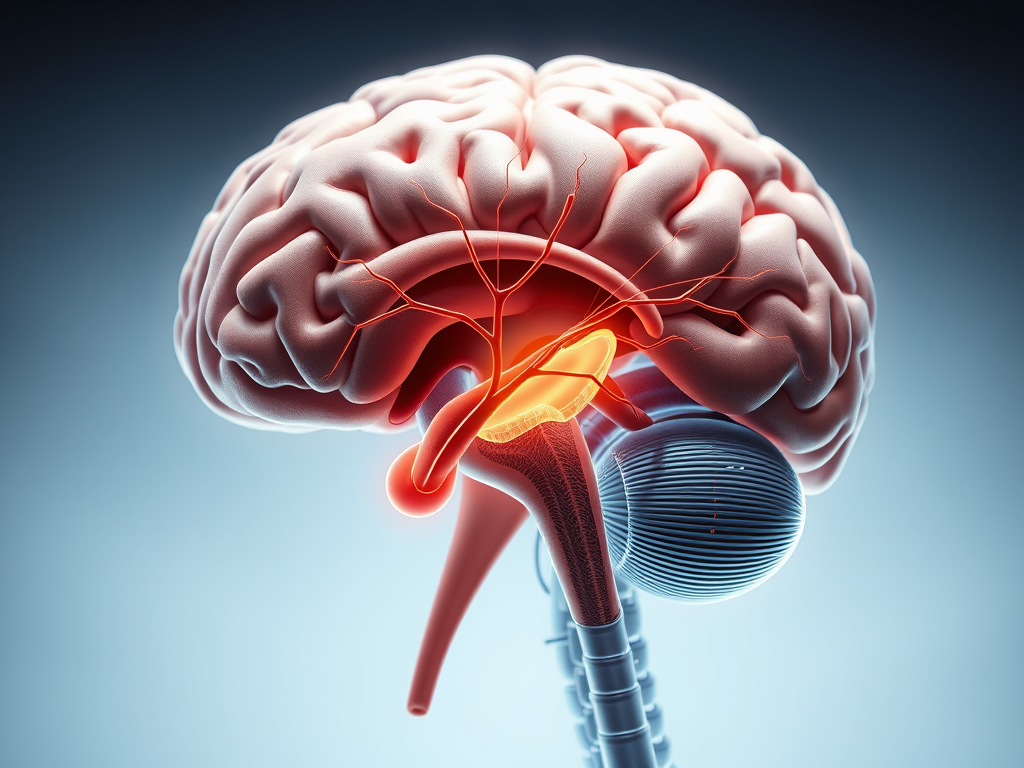
Hans Selye described the alarm stage of stress as a fear or warning reaction of the nervous system to perceived or real threat.
- Increased heart rate, vasoconstriction, and blood pressure.
- Increased sympathetic arousal including rapid release of the hormone cortisol, epinephrine, and other hormones to prepare body for fight or flight.
- Can lead to sleep, appetite, and anxiety disorders.
Latest News.
Human Behavior.
Topics of Interest →
01
Domestic Violence
02
Positive Psychology
03
In the News


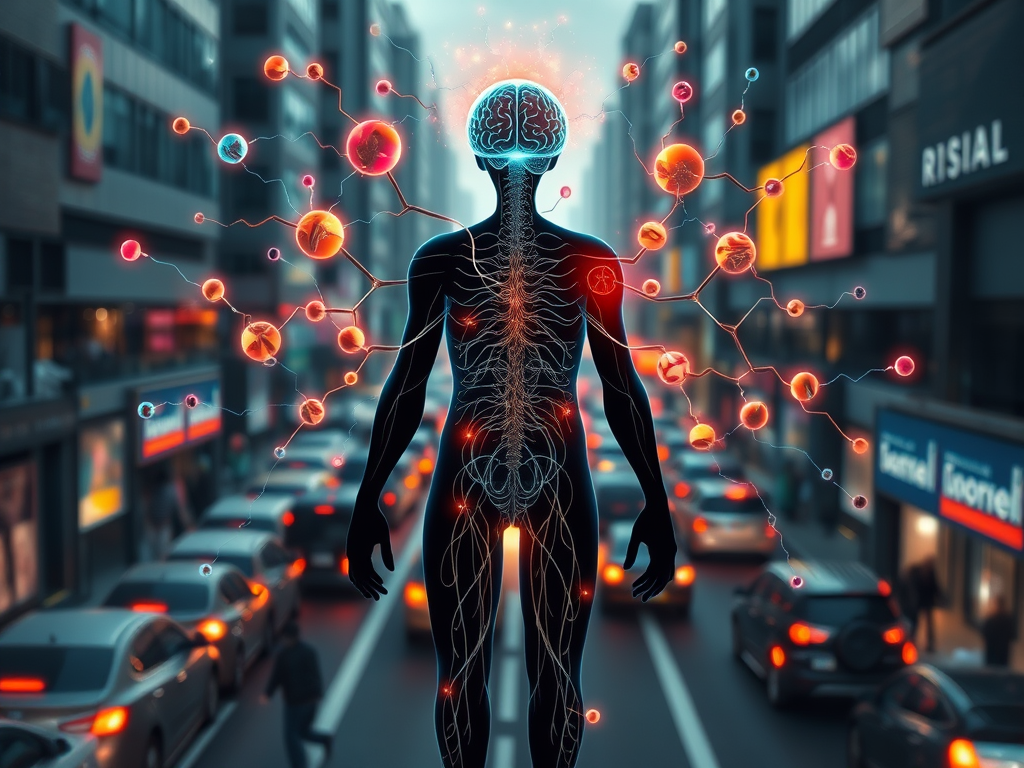
The model of stress most people use was introduced and amplified by the scientist Hans Selye who posed a undeniable link between stress and a number of health issues. We also know that chronic stress can lead to cardiovascular diseases, stroke, and even cancer. Selye argued that there is positive stress and negative stress.
Positive stress or eustress, can enhance performance and personal growth; while negative stress or distress, can harm, overwhelm and contribute to health problems. Selye developed the concept of General Adaptation Syndrome (GAS) suggesting the body reacts to stress in three stages: alarm, resistance, and exhaustion .
 Stress Response and Human Behavior