

Did you know that by changing your breathing pattern you can apply the brakes to the sympathetic nervous system that often underlies PTSD? When a person is overwhelmed by stress he or she may expect danger around every corner. That is the fundemental core of generalized anxiety disorder and may represent the dysregulation associated with acute stress reaction or even PTSD.
HRV depends upon using changes in breathing patterns that will activate parasympathetic nervous system by reducing the heart’s “squeeze” and lowering key activating hormones like adrenaline and epinephrine. Unless we can do that we are constantly on edge and hypervigilant. In the words of the RCMP behavioral health strategist, “You have to breath, you might as well learn it the right way.”
I use the Inner Balance program and adapt it to law enforcement and anyone who wants to lower the stress impact on their body. I had been loaning them out to clients but too many were not returned. So now I keep them in my office and allow them to train while in the waiting room. They are inexpensive and provide data that is useful while training to lower your body’s thermostat. If you read the RCMP article from the journal that I have linked.
“We all have an inner balance but the stresses and demands of the modern world can hijack our biological machinery and can contribute to increases in stress, anger, cynicism and other issues.”
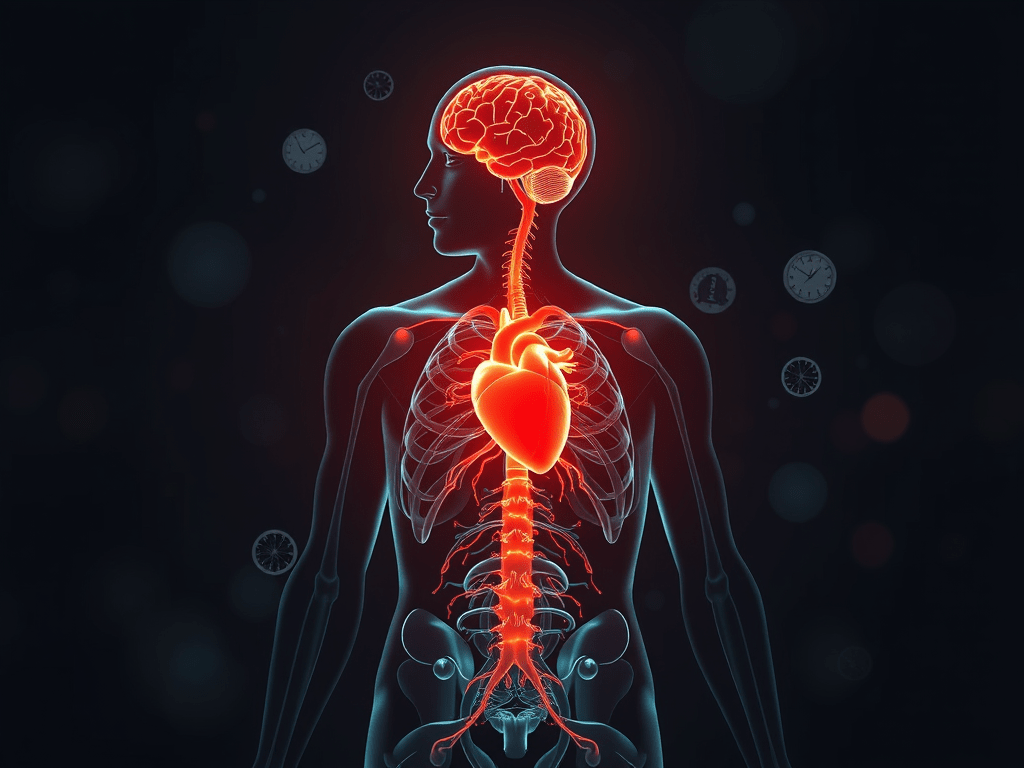
Breathing does more than keep us alive—it actually shapes how our brain and heart work together. Research shows that inhaling sparks activity in the amygdala and hippocampus, areas important for emotion and memory, while exhaling calms these regions (Zelano et al., 2016). This rhythm is reflected in heart rate variability (HRV), a measure of how our heart responds to stress: inhaling slightly speeds up the heart, exhaling slows it down (Shaffer & Ginsberg, 2017). Together, these findings reveal a fascinating link between breath, brain, and heart, explaining why practices like mindful breathing and meditation can boost focus, emotional balance, and resilience.
“One of the major findings in this study is that there is a dramatic difference in brain activity in the amygdala and hippocampus during inhalation compared with exhalation,” said lead author Christina Zelano, assistant professor of neurology at Northwestern University Feinberg School of Medicine. “When you breathe in, we discovered you are stimulating neurons in the olfactory cortex, amygdala and hippocampus, all across the limbic system.”
Recent research has shown that breathing rhythmically influences brain activity in regions critical for emotion and memory, such as the amygdala and hippocampus. Specifically, inhalation is associated with heightened neuronal activity in these areas, enhancing alertness and memory encoding, whereas exhalation is linked to reduced activity and increased relaxation (Zelano et al., 2016). This dynamic is closely connected to heart rate variability (HRV), where inhalation slightly accelerates heart rate and exhalation slows it, reflecting the interplay between the sympathetic and parasympathetic nervous systems (Shaffer & Ginsberg, 2017). These findings suggest that controlled breathing can modulate both cognitive and emotional processes, highlighting a physiological mechanism by which mindfulness and breathing exercises may improve mental well-being.
The fight/flight mechanism that keeps us on guard plays a primary role on how people feel after episodes of high stress. Unfortunately being attached to our cellphones or social media in general can silently elevate our normal stress levels. Lowering our breathing rate may help limit the amoung to cortisol and adrenaline our body feels when we are stressed. Feelings of frustration, lack of focus, chronic fatigue, and even depression can result the mismatch of breathing and exhalation. For example, each time information about the 2026 US-Iranian conflict was released people began filtering a barrage of data being generated – some reliable and accurate and some distorted and confabulated. How many times do we refresh the screen on our smart phones only to see that same header and feel frustrated or angry at the snail’s pace of new information?
References:
- Zelano, C., Jiang, H., Zhou, G., Arora, N., Schuele, S., Rosenow, J., & Gottfried, J. A. (2016). Nasal Respiration Entrains Human Limbic Oscillations and Modulates Cognitive Function. Journal of Neuroscience, 36(49), 12448–12467.
- Shaffer, F., & Ginsberg, J. P. (2017). An Overview of Heart Rate Variability Metrics and Norms. Frontiers in Public Health, 5, 258.
 Stress Response and Human Behavior
Leave a comment