

12 minute read
Stress is an unavoidable part of modern life. Daily stressors like traffic congestion, workplace demands, financial pressure, and interpersonal conflict trigger the body’s stress response just as powerfully as more acute events like illness, injury, or perceived threats to safety. While short-term stress can be adaptive—helping the body mobilize energy and focus attention—chronic or poorly regulated stress has been consistently linked to negative physical and psychological outcomes. Each of us carries some stress, if not high levels. How we do this is a testament to human spirit and getting back into the fight.
Police in Massachusetts and throughout America are faced with the worst of all human experience. Arguably, everything from unattended death, domestic violence, child abuse, and a fatal motor vehicle crash will show up on the call board of any dispatcher on any day or night. Critical incident stress debriefing or CISD is an important part to building police officer resilience and healthy career longevity. It is not psychotherapy it is something more than therapy – with a purported focus of supporting first responders through events that most people never see in a lifetime. It is well-known that first responders pay a price for the stress of the calls they get as they move through their careers on physical and emotional levels. These stressors often impact health and well-being and are linked with high rates of divorce, substance abuse, and suicide particularly among police officers. Stress is not unique to law enforcement and many career choices are imbued with unique activation of the fight-flight response.
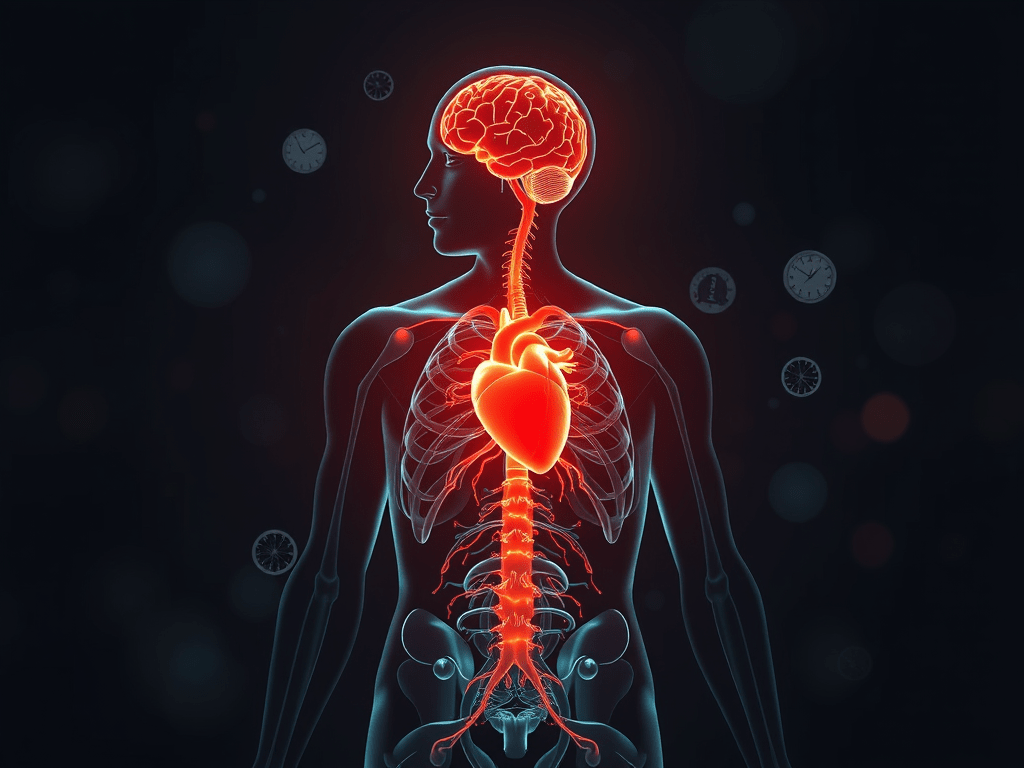
When a stressor is perceived, the body initiates an integrated neuroendocrine response primarily mediated by the hypothalamic–pituitary–adrenal (HPA) axis and the sympathetic–adrenomedullary (SAM) system. Activation begins in the hypothalamus with the release of corticotropin-releasing hormone (CRH), which signals the anterior pituitary to secrete adrenocorticotropic hormone (ACTH). ACTH then stimulates the adrenal cortex to produce cortisol, while the sympathetic nervous system triggers the release of catecholamines such as epinephrine and norepinephrine. Together, these hormones increase heart rate, elevate blood pressure, mobilize glucose, and prepare the body for immediate action. In acute situations, this response is protective and essential for survival. People who serve as emergency responders like E.R. doctors, police officers, paramedics and others face this conundrum on a daily or weekly basis.
How to lower the physical impact of stress while being laser focused on the job at hand? Is this herculean task really worth the effort?
“Immune, metabolic, and neuronal responses are important in the organism’s early defense to abnormal stressors; if they are prolonged, they lead to specific organ damage.” Robert Scaer, M.D.
Prolonged exposure to Stress
The problems arise when this stress response does not fully shut off. Cops go off-duty but their bodies are always standing guard. In The Body Bears the Burden, Robert Scaer, MD, emphasizes that the same immune, metabolic, and neurological responses that protect us in moments of danger can become harmful when they are prolonged. The body, in Scaer’s writing, “bears the burden” of unresolved stress or trauma. I can’t understate the importance of early career training and education on using learned responses to reduce the impact of stress and lowering this activation routinely after high stress – high lethality calls for service. Prolonged stress can lead to chronic inflammatory disease.
Scaer’s work highlights a crucial insight: stress is not only a psychological experience—it is a biological event. When trauma or chronic stress is left unresolved, its imprint can be carried in the body through dysregulated stress hormones and sustained inflammatory responses.
Over time, persistent activation of the HPA axis can disrupt immune regulation. Although cortisol normally helps control inflammation, chronic stress may reduce the body’s sensitivity to it, allowing inflammatory processes to stay active. This ongoing, low-grade inflammation can gradually affect multiple systems in the body, contributing to chronic pain, autoimmune disorders, cardiovascular disease, and mood disturbances.
Yet, chronic or repeated activation of the HPA axis leads to sustained elevations of cortisol and catecholamines, which can disrupt the normal regulation of multiple physiological systems. When stress becomes persistent, the body is forced to function in a prolonged state of heightened alert that is not sustainable. We saw this across the board during the months of quarantine during the coronavirus in 2020. Those who were deemed essential workers never had the chance to rest and restore between shifts. Some professionals were pushed to a point of being unable to work, becoming overwhelmed.
I worked at a rehabilitation hospital who received many of the Covid-19 survivors but sadly we had many patients who appeared to be recovering, who quickly became worse and many did not survive. During the pandemic I worked every day for over a year knowing our staff were stretched very thin.
Tolerance of Stress
Working on the front lines with patients who are dying is horrific and has powerful impact on all of us. This is especially painful when there is seemingly nothing that can be done to help them. First responders and frontline hospital workers are trained to give emergency care. But in many cases the tolerance for stress is skipped over. Especially among paramedic and EMT groups. The pay is quite low and the specific job demands are somewhat nebulous. I spoke with paramedics who lost patients while waiting in the queue to bring stretchers into packed emergency departments. Over time, this ongoing strain contributes to what researchers describe as allostatic load—the cumulative “wear and tear” on the body that results from repeated efforts to adapt to stress. As allostatic load increases, regulatory systems involving metabolism, cardiovascular role, immune activity, and mood become less efficient, increasing vulnerability to both physical and psychological illness.
Importantly, although cortisol is acutely anti-inflammatory, persistent HPA activation can paradoxically promote inflammation. Chronic exposure to elevated cortisol may lead to glucocorticoid receptor resistance in immune cells, reducing their sensitivity to cortisol’s regulatory effects. Thus, sustained HPA axis dysregulation can shift the immune system toward a pro-inflammatory state, linking chronic psychological stress to increased risk for inflammatory and stress-related disorders.
Importantly, the consequences of stress are not inevitable. The human body possesses a remarkable capacity for regulation, adaptation, and repair. Counterbalancing the stress response is the parasympathetic nervous system, which promotes recovery through mechanisms that slow heart rate, reduce blood pressure, enhance digestion, and support immune function. This “rest-and-restore” system can be intentionally activated through specific behaviors and interventions by putting the brakes on dysregulation. It works well with practice only people don’t do it. Why aren’t people putting the brakes on the stress response when it is possible to regain one’s healthy balance?
Techniques for Lowering Stress
“Relaxation and mindfulness have existed for over 60 years bringing together the conscious effort to control bodily systems that were once thought to be automatic and “not correctable.” Research into chronic stress illustrates how damaging it can be on physical functioning and longevity. Stress and burn-out are described as invisible injuries yet it has an undeniable impact on sleep, concentration, and emotional well being.” Michael Sefton, 2016
Scientific studies have demonstrated that practices like: paced or controlled breathing, mindfulness meditation, regular physical activity, adequate sleep, and social connection can significantly reduce physiological markers of stress. I have been negligent myself in practicing these modulating techniques and as I prepared this review I spent some time lowering my anxiety about putting these words together so they make sense.
Lowering risk of burn-out
Extensive research has associated chronic stress with an increased risk of cardiovascular disease, metabolic disorders, gastrointestinal dysfunction, immune suppression, sleep disturbances, anxiety, and depression. Elevated cortisol levels over time may impair immune response, promote inflammation, and interfere with tissue repair and neuroplasticity. In this way, stress does not merely affect subjective well-being—it can contribute directly to disease processes.
These practical approaches help regulate the HPA axis, lower cortisol levels, and reduce systemic inflammation. Over time, they can improve resilience—the ability to respond to stressors efficiently and return to baseline without prolonged activation. With practice these simple skills can reduce feelings of anxiety replacing it with greater internal calm. And with practice we can lower the inflammatory response and risk to health – especially in old age.
By engaging in evidence-based stress-management strategies, individuals can leverage these pathways to support healing and long-term health. Stress is inevitable, but its damaging effects do not have to be. By understanding the biological mechanisms of stress and intentionally activating the body’s inherent self-regulatory systems, it is possible to reduce harm, enhance resilience, and promote overall well-being.
This paper was written with help of AI for accuracy, understanding, and clarity of references.
Physiological Effects of Stress
(Foundational reviews backing HPA activity and health impacts)
Sapolsky, R. M., Romero, L. M., & Munck, A. U. (2000). How do glucocorticoids influence stress responses? Integrating permissive, suppressive, stimulatory, and preparative actions. Endocrine Reviews, 21(1), 55–89.
https://doi.org/10.1210/edrv.21.1.0389
McEwen, B. S. (2008). Central effects of stress hormones in health and disease: Understanding the protective and damaging effects of stress and stress mediators. European Journal of Pharmacology, 583(2-3), 174–185.
https://doi.org/10.1016/j.ejphar.2007.11.071
Meta-Analyses on Stress-Reduction Interventions
(Direct evidence that psychological/behavioral approaches alter stress physiology and outcomes)
Rogerson, O., Wilding, S., Prudenzi, A., & O’Connor, D. B. (2024). Effectiveness of stress management interventions to change cortisol levels: A systematic review and meta-analysis. Psychoneuroendocrinology, 159, 106415.
https://doi.org/10.1016/j.psyneuen.2023.106415
Webster, K. E., Halicka, M., Bowater, R. J., Parkhouse, T., Stanescu, D., Savović, J., & Caldwell, D. M. (2025). Effectiveness of stress management and relaxation interventions for management of hypertension and prehypertension: A systematic review and network meta-analysis. BMJ Medicine, 4(1), e001098.
https://doi.org/10.1136/bmjmed-2024-001098
 Stress Response and Human Behavior
Leave a comment