

“If people begin to understand the physical and behavioral health costs of living with stress than greater personal responsibility will create a healthier environment and extend the lifespan.” Michael Sefton
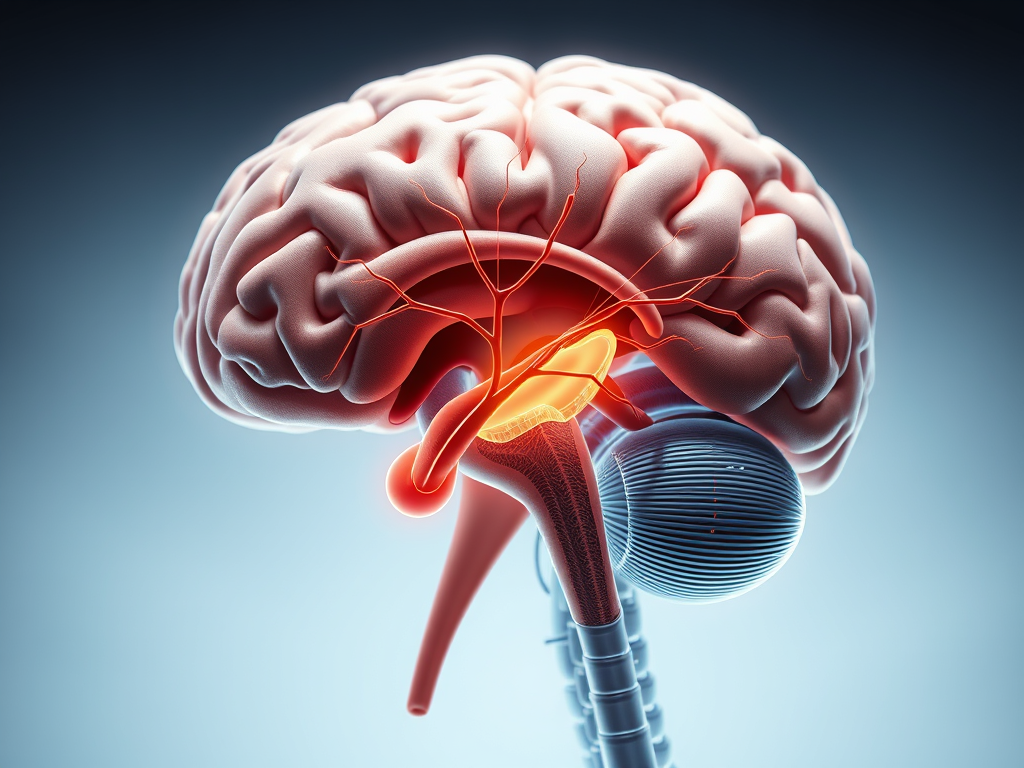
Chronic stress keeps the body’s stress-response system activated for too long. Fear does not lurk around every corner. The Window of Stress shows us that we can tolerate stress to an extent but too much stress is inopportune. Over time, this can disrupt hormones, weaken immune regulation, and increase inflammation. Higher levels of inflammatory markers such as CRP, IL-6, and TNF-α are associated with heart disease, diabetes, depression, cognitive decline, frailty, and earlier death. Early stress management is therefore especially important for caregivers and others experiencing prolonged strain (McEwen, 1998; McEwen & Akil, 2020; Slavich & Irwin, 2014).
“The body’s response to danger is normally helpful.
The Window of Opportunity for Early Intervention
The so-called fight-or-flight response—in which your body boosts your heart rate and pumps blood and nutrients to muscles—prepares you to flee or stand your ground.” What’s more, “an especially frightening experience—like witnessing an assault, being physically abused, or serving in military combat—can overwhelm the body’s normal coping mechanisms and result in a stress injury or disorder.” A disorder can be short-term, as is the case with acute stress disorder resulting from something unexpectedly frightening; or it can be longterm, like post-traumatic stress disorder (PTSD) as seen in a Harvard Medical School Special Report on Anxiety and Stress (Watson, 2021).
Over time, persistent activation of the hypothalamic-pituitary-adrenal (HPA) axis can impair the body’s ability to regulate inflammation effectively. Under normal conditions, the stress hormone cortisol helps limit excessive immune activity and suppress inflammation. However, chronic stress can lead to reduced tissue sensitivity to cortisol—a phenomenon known as glucocorticoid resistance. As a result, inflammatory signaling may remain elevated despite normal or even increased cortisol levels. This state of persistent, low-grade systemic inflammation has been linked to a higher risk of chronic pain syndromes, autoimmune diseases, cardiovascular disease, type 2 diabetes, depression, cognitive decline, and other stress-related health conditions.
Read more: Combat Chronic Stress: A Path to Better HealthChronic stress is not simply an emotional experience—it produces measurable physiological changes that can promote persistent inflammation when left unmanaged. A comprehensive approach that integrates physical activity, restorative sleep, nutritious eating, stress-reduction practices, social support, and appropriate medical care offers the most effective, evidence-based strategy for reducing inflammatory burden and supporting long-term health and longevity. While no intervention can eliminate all stress or guarantee a longer lifespan, these behaviors consistently reduce risk and improve overall health across diverse populations.
Techniques for Lowering Stress
“Relaxation and mindfulness have existed for over 60 years bringing together the conscious effort to control bodily systems that were once thought to be automatic and “not correctable.” Research into chronic stress illustrates how damaging it can be on physical functioning and longevity. Stress and burn-out are described as invisible injuries yet it has an undeniable impact on sleep, concentration, and emotional well being.”
Michael Sefton, 2016
Evidence-based stress management strategies—including paced or controlled breathing, mindfulness meditation, regular physical activity, restorative sleep, and maintaining meaningful social connections—can substantially reduce the physiological burden of chronic stress. These interventions promote regulation of the autonomic nervous system by decreasing sustained sympathetic (“fight-or-flight”) activation while enhancing parasympathetic (“rest-and-digest”) activity, thereby improving physiological resilience and emotional regulation (Benson, 1975; Porges, 2011; McEwen & Akil, 2020).
Repeated exposure to stress can keep the body’s stress-response systems activated. Over time, this cumulative strain may disrupt immune regulation, produce chronic inflammation, and contribute to physical problems such as heart disease, diabetes, frailty, and cognitive decline. Regular exercise, restorative sleep, and strong social relationships can help interrupt this process by reducing stress and supporting cardiovascular, immune, and psychological health. For dementia caregivers, these protective practices can reduce burnout, strengthen resilience, and support the ability to provide compassionate care over time (Cohen & Wills, 1985; Holt-Lunstad et al., 2010; McEwen, 1998; Slavich & Irwin, 2014).
Like many people, I find that understanding the science of stress is easier than consistently applying it. While preparing this review, I recognized that I had neglected some of these practices myself. Organizing complex information into something clear and meaningful was creating anxiety, so I paused rather than continuing to push through it. I slowed my breathing, quieted my mind, and allowed my body to settle. The effect was subtle but noticeable: my thoughts became more organized, my anxiety decreased, and writing felt less difficult.
This experience reminded me that the physiological principles described in the research are not merely theoretical. Small, intentional practices can help regulate the stress response and allow the mind and body to recover. Stress management does not eliminate life’s challenges; it develops our capacity to respond to them without remaining in a prolonged state of tension.
Perhaps that is the most important lesson I have taken from this review: knowledge alone does not improve health. It is the consistent practice of evidence-based behaviors, even in small daily increments, that gradually reshapes the body’s response to stress and reduces the long-term inflammatory processes associated with chronic disease. As with any aspect of health, progress comes not from perfection but from repeated, intentional choices that support resilience over time.
REFERENCES
Benson, Herbert (1975). The relaxation response. William Morrow. Cohen, Sheldon, & Wills, Thomas A. (1985). Stress, social support, and the buffering hypothesis. Psychological Bulletin, 98(2), 310–357.
Holt-Lunstad, Julianne, Smith, Timothy B., & Layton, J. Bradley (2010). Social relationships and mortality risk: A meta-analytic review. PLoS Medicine, 7(7), e1000316.
McEwen, Bruce S., & Akil, Huda (2020). Revisiting the stress concept: Implications for affective disorders. The Journal of Neuroscience, 40(1), 12–21. Porges, Stephen W. (2011). The polyvagal theory: Neurophysiological foundations of emotions, attachment, communication, and self-regulation.
W. W. Norton. American Psychological Association – Stress effects on the body
Slavich GM. “Life Stress and Health.” Annual Review of Clinical Psychology. Furman D, et al. “Chronic inflammation in the etiology of disease across the life span.” Nature Medicine (2019).
Black DS, Slavich GM. “Mindfulness meditation and the immune system.” Annals of the New York Academy of Sciences (2016).
Watson, S. (2021). Anxiety and stress disorders: A guide to managing panic attacks, phobias, PTSD, OCD, social anxiety disorder, and related conditions (S. Collier, Medical Ed.). Harvard Health Publishing.


Leave a Reply