

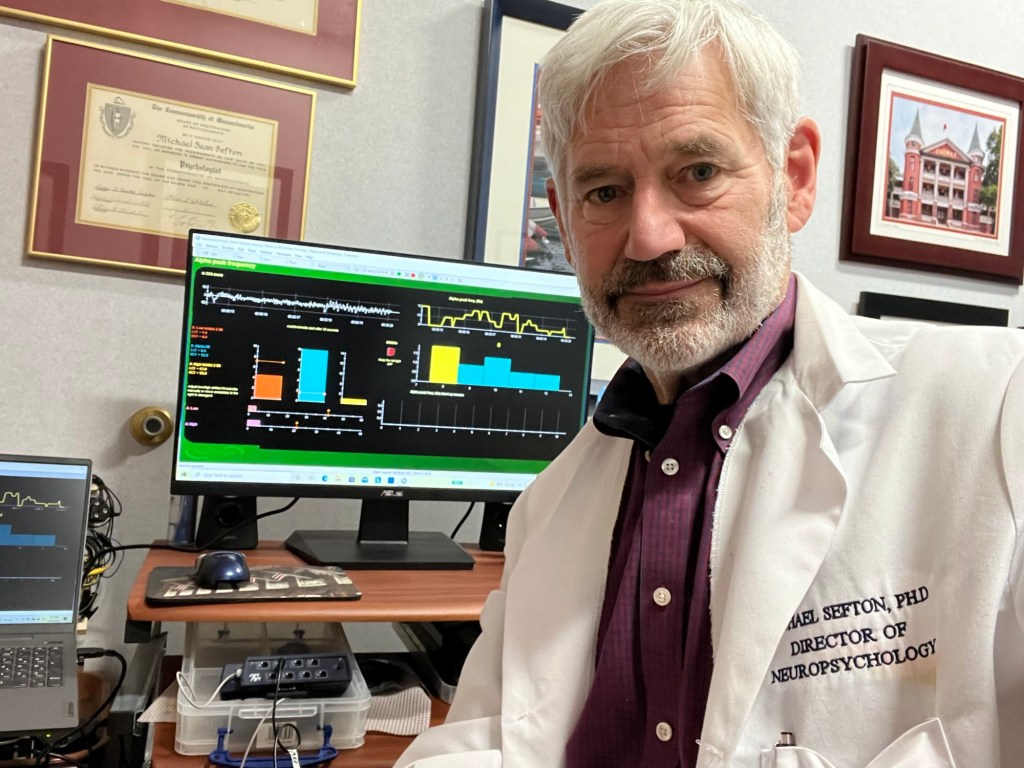
“Resilience is not a trait that people either have or do not have. It involves behaviors, thoughts and actions that can be learned and developed by anyone” according to the APA. The biofeedback I offer helps patients reduce autonomic overload by calming their body while they build resilience. This happens by lowering the fight/flight intensity after times of stress have abated. Before this can occur it is necessary for clients to begin to understand how feelings of “threat” can challenge personal well being. Using a CBT model, goals are specified to achieve the best outcome in lowered anxiety and lowered autonomic overload. When individual goals are attained using biofeedback people see for themselves that they have control and can learn to lower the tension and pain they feel. It takes less time than training for a marathon. Unresolved bitterness and shame can spawn an array of serious problems such as depression, insomnia, emotional instability and emotional distress . And such stress can exacerbate cardio-vascular, kidney, and gastrointestinal issues, including elevated risks of stroke and heart attack.
It is true that resilience isn’t something static but a dynamic skill that can be nurtured and built over time. What is offered using biofeedback is a great tool for promoting emotional well-being when coupled with cognitive behavior therapy.
By teaching patients how to manage their autonomic responses, they’re not only learning how to regain control over their stress levels but also reinforcing their own capacity for self-regulation, which is at the heart of resilience.
“How can someone get started?” I have been asked.
Relaxation is indeed a skill that involves more than just physical stillness. It requires cultivating a mindful awareness and actively engaging with the present moment. It helps but it requires practice. I have added a deeper look at how to develop this skill, especially for those who have faced chronic anxiety or stress:
“Learned resilience can be taught and leads to reduced stress and psychological hardiness rather than psychological weariness.” according to Leo Polizoti, Ph.D., my colleague at the Direct Decision Institute Inc. Dr Polizoti studies the result of high stress of job functioning among many police agencies and understands the impact of chronic stress on job satisfaction. Psychological weariness is a drain on personal coping and adaptation to situational stress. “
Understanding Stress and Relaxation
Mindfulness:
- Practicing mindfulness means focusing on the here and now. This can be achieved through meditation, breathing exercises, or simply paying attention to your surroundings.
- Techniques like body scanning or mindful breathing can help ground you.
Active Engagement:
- Relaxation isn’t just about being idle; it can involve activities that foster a sense of peace, such as yoga, tai chi, or even walking in nature.
- Engaging in hobbies that you love can also serve as a form of active relaxation.
Breathing Techniques:
- Deep, intentional breathing can significantly reduce stress. Try inhaling deeply through your nose, holding for a moment, and exhaling slowly through your mouth.
- Techniques like the 4-7-8 method can be particularly effective. It requires no special equipment just your time.
Techniques to Cultivate Relaxation
- Progressive Muscle Relaxation (PMR): Tense and then relax each muscle group in your body, starting from your toes and working up to your head.
- Visualization: Picture a serene place or a peaceful scenario that brings you joy and calm.
- Journaling: Writing about your thoughts and feelings can help release pent-up stress and promote clarity.
Building a Routine
- Set Aside Time: Regularly dedicate time for relaxation practices, making it a non-negotiable part of your day.
- Create a Relaxation Space: Designate a specific area in your home for relaxation, filled with calming items like plants, soft lighting, or soothing music.
Key Takeaways
- Relaxation is an active process that can be cultivated through mindfulness, breathing techniques, and engaging in enjoyable activities.
- Regular practice and creating a supportive environment are essential for developing this skill.
By incorporating these strategies, you can gradually enhance your ability to relax and find peace in the present moment. Quality of life can be enhanced when goals for relaxation and internal calm are achieved.


Leave a comment