

Fear: And the perceived hidden danger around every corner
A little stress keeps us focused, but too much can become overwhelming. I have been working on a new and updated website for my expanded role in supporting Massachusetts first responders, their agencies, and their families. It reflects my new role at the Police Psychology Program here in Westborough. The balance between fight/flight arousal and parasympathetic response can be learned. An understanding of the body’s innate capacity to adapt and the application of stress mitigation takes work.
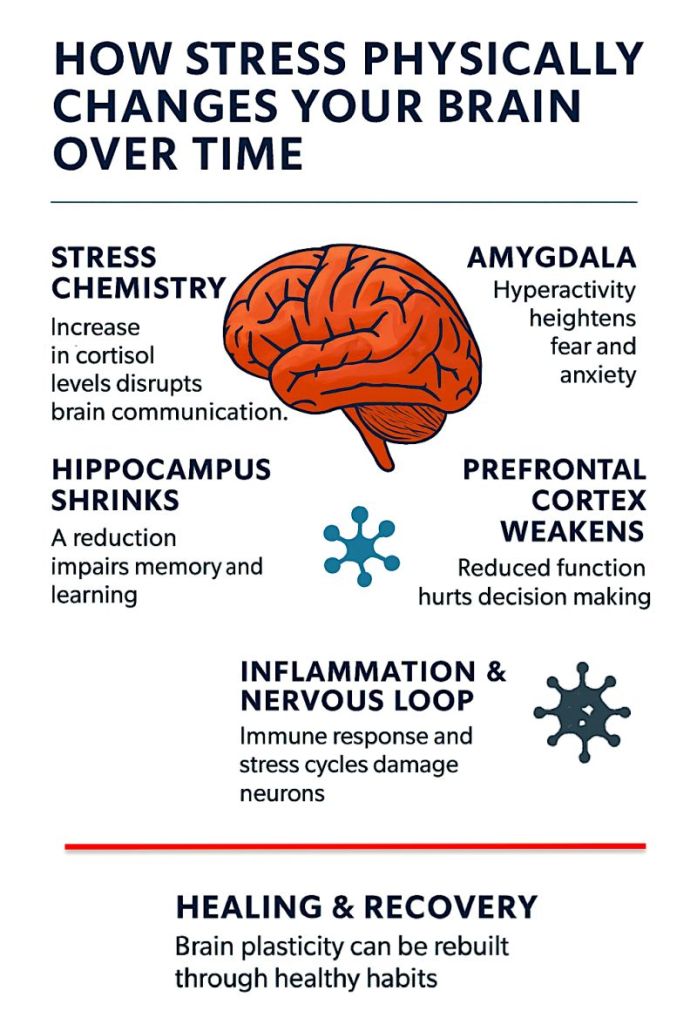
The information I am trying to provide in these pages is for everyone, not just law enforcement and first responders. According to John Violente, a former NY State Trooper, when you put someone in a position like law enforcement for 25 years they are going to have some traumatic exposure and be effected by it all.
Stress management and officer wellness are essential across the full arc of a law enforcement career, from academy training through retirement. The nature of policing involves repeated exposure to human suffering, threat, and moral complexity, often under conditions that require immediate operational control rather than emotional processing. Over time, this accumulation of exposure can contribute to physiological and psychological strain, particularly when adaptive coping strategies, peer support, and organizational resources are limited or inconsistently used.
It is my hope that by understanding the body’s response to stress, as soon as it starts to ramp up, you become physically healthier and emotionally resilient.
“Learned resilience can be taught and leads to reduced stress and psychological hardiness rather than psychological weariness.” according to Leo Polizoti, Ph.D., my colleague at the Direct Decision Institute Inc. Dr Polizoti studies the result of high stress of job functioning among many police agencies and understands the impact of chronic stress on job satisfaction. Psychological weariness is a drain on personal coping and adaptation to situational stress. “
It is something of a labor of love, these pages – that has been in the works for some time. I have seen marvelous transformation of people who get on the stress recovery bandwagon and work toward healthier living. It is very gratifying.
Currently, I am working toward offering first responder agencies an annual stress assessment tool usable on a cell phone. It takes just minutes to finish, and will be stored and correlated with high lethality/high acuity calls for service. It is private and HIPPA compliant. Together this stress analysis will give hard data about level of perceived stress and its relationship to officer functioning and exposure. It can be used to develop stress reduction programs and targeted debriefing programs which are being espoused across the country. This too, will offer an early warning to the LE members to slow down and get support to lower the temperature and take the burden off the body.
This program will intervene before something outwardly might cause a problem in the community or at home. It can assist in a healthier lifestyle and hardiness for a long career.
- The Hidden Dangers of Minor Head InjuriesOur understanding of concussion management has changed substantially in recent years. The older recommendation of placing an injured person in a dark room and avoiding nearly all mental and physical activity until symptoms completely disappear—sometimes referred to as “cocooning”—is no longer considered optimal treatment. Current evidence favors relative rest during approximately the first 24 to 48 hours, including adequate sleep, reduction of activities that substantially worsen symptoms, and some limitation of screen exposure.
- Coping with Loss: A Guide for Family Members of SeniorsThe totality of risk associated with social isolation in later life is substantial and multidimensional, affecting not only older adults but also their families and care systems. Persistent loneliness and objective isolation are linked to higher rates of depression, cognitive decline, cardiovascular morbidity, functional deterioration, and premature mortality, with effects that appear to accumulate over time.
- Sex Differences in Concussion Symptoms: What Clinicians Should KnowMigraine and other headache disorders are particularly important when considering concussion in girls and women. Migraine occurs approximately three to four times more often in women than in men after puberty, and women also tend to experience greater migraine-related disability and, in some studies, more severe attacks (Al-Hassany et al., 2020, Sefton, 2018).
- “I’m a police officer; I should have been strong.”“I’m a police officer; I should have been strong.” The traditional policing culture often emphasizes toughness, emotional control, and self-reliance, which can discourage officers from acknowledging psychological distress. “Just as officers are trained not to wait until a threat becomes deadly before responding in kind, agencies should not wait until an officer becomes suicidal, impaired, or unable to function before intervening. Effective wellness programs operate on a continuum of care, not a point of crisis.” John Violanti
- Breaking Barriers: Mental Health Support for Law EnforcementExposure to trauma and its effect – It must become a bridge to care rather than a gateway to discipline.


Leave a comment