

Fear: And the perceived hidden danger around every corner
A little stress keeps us focused, but too much can become overwhelming. I have been working on a new and updated website for my expanded role in supporting Massachusetts first responders, their agencies, and their families. It reflects my new role at the Police Psychology Program here in Westborough. The balance between fight/flight arousal and parasympathetic response can be learned. An understanding of the body’s innate capacity to adapt and the application of stress mitigation takes work.
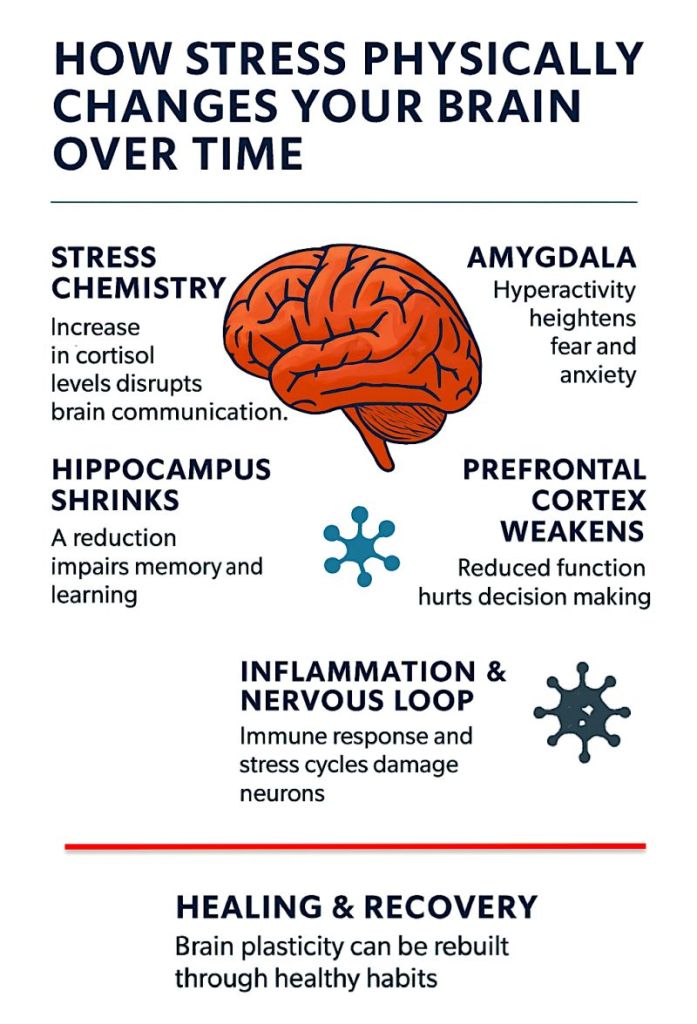
The information I am trying to provide in these pages is for everyone, not just law enforcement and first responders. According to John Violente, a former NY State Trooper, when you put someone in a position like law enforcement for 25 years they are going to have some traumatic exposure and be effected by it all.
Stress management and officer wellness are essential across the full arc of a law enforcement career, from academy training through retirement. The nature of policing involves repeated exposure to human suffering, threat, and moral complexity, often under conditions that require immediate operational control rather than emotional processing. Over time, this accumulation of exposure can contribute to physiological and psychological strain, particularly when adaptive coping strategies, peer support, and organizational resources are limited or inconsistently used.
It is my hope that by understanding the body’s response to stress, as soon as it starts to ramp up, you become physically healthier and emotionally resilient.
“Learned resilience can be taught and leads to reduced stress and psychological hardiness rather than psychological weariness.” according to Leo Polizoti, Ph.D., my colleague at the Direct Decision Institute Inc. Dr Polizoti studies the result of high stress of job functioning among many police agencies and understands the impact of chronic stress on job satisfaction. Psychological weariness is a drain on personal coping and adaptation to situational stress. “
It is something of a labor of love, these pages – that has been in the works for some time. I have seen marvelous transformation of people who get on the stress recovery bandwagon and work toward healthier living. It is very gratifying.
Currently, I am working toward offering first responder agencies an annual stress assessment tool usable on a cell phone. It takes just minutes to finish, and will be stored and correlated with high lethality/high acuity calls for service. It is private and HIPPA compliant. Together this stress analysis will give hard data about level of perceived stress and its relationship to officer functioning and exposure. It can be used to develop stress reduction programs and targeted debriefing programs which are being espoused across the country. This too, will offer an early warning to the LE members to slow down and get support to lower the temperature and take the burden off the body.
This program will intervene before something outwardly might cause a problem in the community or at home. It can assist in a healthier lifestyle and hardiness for a long career.
- Mental Health Strategies for Law Enforcement Officer SupportIn 2018 the Chicago Police Department went the extra step of releasing a video titled, “You Are Not Alone!” to put a spotlight on police suicide prevention and mental health. The video production is shown below and makes an effort to reduce alienation among officers suffering from the cumulative impact of trauma by reducing the stigma associated with seeking help for behavioral health afflictions. The cumulative stress associated with a career in law enforcement cannot be understated.
- Combat Chronic Stress: A Path to Better Health“If people begin to understand the physical and behavioral health costs of living with stress than greater personal responsibility will create a healthier environment and extend the lifespan.” Michael Sefton
- Why Police Officers Avoid Seeking Help for Mental Health
 Leaders should foster a workplace where employees feel safe and supported in taking care of their mental health. Staff should be encouraged to practice self-care and seek professional help when needed, without fear of stigma, embarrassment, or negative consequences. Creating this kind of supportive environment is essential for promoting psychological health and overall well-being. Ultimately, the goal is to transform help-seeking from a perceived sign of weakness into a routine and respected aspect of maintaining operational fitness throughout an officer’s career.
- Law Enforcement and Behavioral Health Crisis SolutionsCommunity Behavioral Health Centers such as Riverside Community Care represent what many police administrators have sought for decades: a place where officers can bring individuals in behavioral crisis knowing they will receive prompt psychiatric evaluation, substance use assessment, crisis stabilization, and linkage to continuing care. Michael Sefton, Ph.D.
- Risk Factors in Domestic Homicide: Identifying Warning SignsBy recognizing recurring patterns of high-risk behavior, law enforcement, healthcare professionals, courts, and social service agencies can better justify proactive safety planning, enhanced monitoring, coordinated intervention, and, when legally appropriate, measures to contain individuals who present a heightened risk of serious or lethal violence.


Leave a Reply